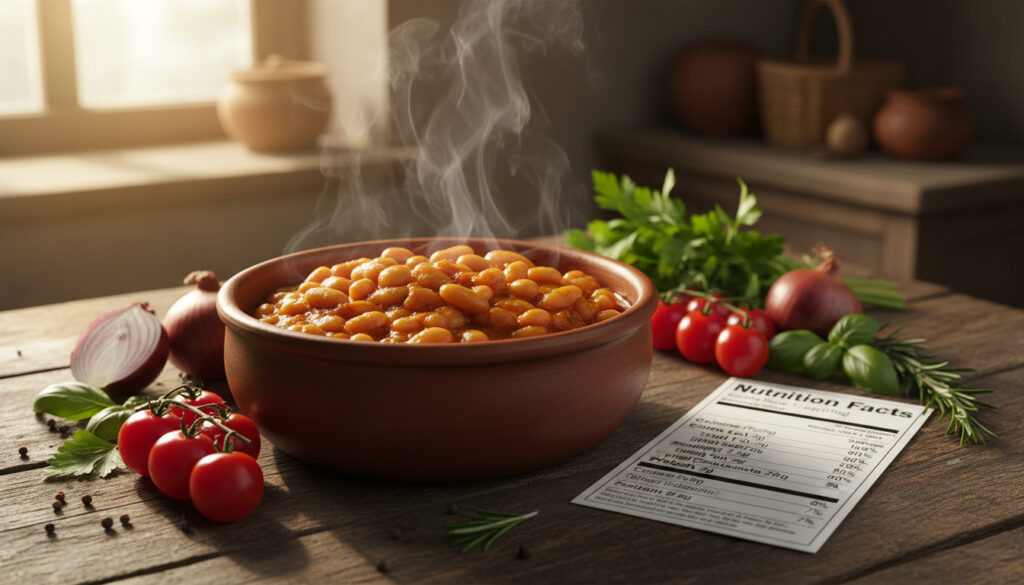
Are Baked Beans Good for You – Nutrition Facts and Health Guide
Baked beans occupy a peculiar position in modern nutrition. While they deliver substantial amounts of fiber and plant-based protein, many commercial varieties harbor significant quantities of added sugars and sodium that can undermine their health benefits. The nutritional value ultimately depends on preparation methods, portion sizes, and the specific brand gracing your pantry shelf.
A single cup of home-prepared baked beans can provide up to 50% of your daily fiber requirement and nearly two-thirds of your iron needs, yet simultaneously contribute over 1,000mg of sodium. This nutritional paradox explains why dietitians hesitate to classify them as universally healthy or unhealthy, instead emphasizing context and moderation.
Understanding the differences between canned convenience and homemade preparations becomes crucial for anyone monitoring blood pressure, managing diabetes, or pursuing weight loss goals. The following analysis examines the evidence behind baked beans’ complex nutritional profile.
Are Baked Beans Healthy?
- High dietary fiber supports digestive health
- Substantial plant protein (6-14g per serving)
- Rich in iron, potassium, and folate
- Affordable and shelf-stable protein source
- Added sugars in commercial sauces (up to 19g per cup)
- High sodium content (up to 46% DV)
- Significant caloric density in homemade versions
- Processing reduces certain heat-sensitive nutrients
- Vegetarians seeking protein diversity
- Individuals managing cholesterol levels
- Budget-conscious meal planning
- Those needing convenient fiber sources
- Hypertension patients (sodium concerns)
- Diabetics monitoring glycemic load
- Individuals with IBS ( fermentable fibers)
- Those limiting processed food intake
Key Nutritional Insights
- One cup of home-prepared baked beans contains approximately 14g of protein and 14g of fiber, delivering roughly 25% and 50% of daily values respectively.
- Canned varieties in tomato sauce provide approximately 162 calories per 200g serving, with British formulations typically containing less sugar than American molasses-based recipes.
- The soluble fiber content acts as a prebiotic, feeding beneficial gut bacteria and potentially improving digestive regularity.
- Heinz and other major brands now offer “No Added Sugar” variants containing 2-5g sugars per serving compared to 9-12g in standard formulas.
- Homemade preparations using bacon or molasses can reach 392 calories per cup, significantly higher than no-salt-added canned alternatives at 266 calories.
- The tomato sauce base provides lycopene antioxidants, though the amounts vary considerably between brands.
| Preparation Type | Serving Size | Calories | Protein | Fiber | Sugar | Sodium |
|---|---|---|---|---|---|---|
| Home-prepared | 1 cup (253g) | 392 | 14g | 14g | Variable | 1068mg (46% DV) |
| Canned no-salt-added | 1 cup | 266 | 12g | 14g | 19g | Low |
| Generic canned | 1/2 cup (130g) | 119 | 6g | 5g | Variable | 19% RDI |
| UK canned (tomato sauce) | 200g | 162 | 10g | 9.8g | 9.6g | 1.3g salt |
| Bush’s Original | 1/2 cup (131g) | 160 | 7g | 8g | 12g | 390mg |
| Plain cooked navy beans | 1 cup | 225 | 15g | 14g | 3g | 5mg |
Baked Beans Nutrition Breakdown
Caloric Variations by Preparation
The caloric density of baked beans fluctuates dramatically based on ingredients. Home-prepared versions incorporating bacon, brown sugar, or molasses can reach 392 calories per cup, while water-packed, no-salt-added canned alternatives provide approximately 266 calories for the same volume. These differences stem primarily from added fats and sweeteners rather than the beans themselves.
Macronutrient Composition
Haricot beans, the primary variety used in baked beans, deliver a substantial protein payload. A typical cup provides between 12-14g of complete protein in homemade versions, while canned varieties offer 6-12g depending on brand concentration. The fiber content remains consistently high across preparations, with per 100g averages showing 12.7g total fiber, split between soluble and insoluble forms.
Nutrition labels vary between metric and imperial measurements, with some brands listing 130g (approximately 1/2 cup) while others use 200g (nearly 1 cup). This discrepancy explains why protein content appears to range from 6g to 14g across different products. Always verify whether nutritional data refers to drained beans or includes the sauce.
Are Baked Beans High in Sugar or Fattening?
The Sugar Content Reality
Standard canned baked beans frequently contain surprising amounts of added sugars. British formulations in tomato sauce typically include around 9.6g per 200g serving, while American varieties using molasses can reach 12g per half-cup serving, with 11g classified as added sugars. This represents approximately 22% of the recommended daily value for added sugars in a single modest portion.
Sodium and Blood Pressure
Sodium content poses the most significant health concern for regular consumers. A single cup of home-prepared baked beans can deliver 1,068mg of sodium, representing 46% of the daily recommended limit. Even modest half-cup servings of canned varieties contribute 17-30% of daily values, making portion control essential for hypertensive individuals.
While the beans themselves contain minimal sodium, the cooking liquid and tomato sauce contribute the majority of salt content. No-salt-added varieties reduce this burden significantly, but home cooks often add salt during preparation without accounting for the cumulative total in recipes including bacon or ham.
Are Baked Beans Good for Weight Loss or Diabetics?
Weight Management Potential
Despite their carbohydrate content, baked beans can support weight loss efforts when selected carefully. The combination of protein and fiber promotes satiety, potentially reducing overall calorie intake throughout the day. Low-sugar varieties containing 120-160 calories per half-cup fit comfortably within most caloric restriction protocols, though pairing with vegetables rather than toast creates a more balanced meal.
Blood Glucose Considerations
Diabetics face particular challenges with commercial baked beans. The glycemic load varies significantly between brands, with high-sugar formulations causing rapid blood glucose spikes. However, the substantial fiber content (up to 9.8g per serving) slows absorption. No-added-sugar options reduce this glycemic impact, though individual glucose monitoring remains advisable.
Gut Health Benefits
The resistant starch and oligosaccharides in baked beans serve as prebiotics, feeding beneficial gut bacteria. A 200g serving delivers nearly one-third of the daily fiber recommendation, supporting digestive regularity and potentially improving microbiome diversity. This fiber content explains why legumes like those found in Foods That Cause Gout – Top Triggers and Safe Alternatives require careful consideration for some dietary restrictions despite their health benefits for most populations.
When evaluating canned options, prioritize labels indicating less than 5g sugars per 100g. Check sodium levels, aiming for formulations below 400mg per serving. Rinsing beans before heating removes approximately 30% of surface sodium, though this also eliminates some water-soluble B vitamins and the flavorful tomato sauce.
How Have Baked Beans Evolved as a Health Food?
-
Boston baked beans emerge as an American staple, traditionally prepared with salt pork and molasses, establishing the sweet-savory profile still popular in North America today.
-
Heinz introduces canned baked beans to the UK market, adapting the recipe to British tastes with a tomato sauce base rather than molasses, creating the distinct transatlantic divergence in preparation styles.
-
Reformulation efforts begin in response to sugar reduction campaigns, with major manufacturers developing “No Added Sugar” variants containing 75% less sugar than standard formulas while maintaining fiber and protein levels.
-
Plant-based diet trends drive renewed interest in beans as sustainable protein sources, with baked beans experiencing popularity resurgence among flexitarian and vegan consumers seeking convenient protein options.
What Do We Know for Certain About Baked Beans?
- Haricot beans provide complete plant protein containing all essential amino acids when properly combined with grains.
- Soluble fiber content consistently reaches 12-14g per cup, supporting cholesterol management and digestive health.
- Iron and folate levels meet significant portions of daily requirements, particularly beneficial for vegetarian diets.
- No-salt-added varieties contain less than 5mg sodium per cup compared to 1,000mg+ in standard recipes.
- Exact glycemic index varies between brands due to proprietary sauce formulations and processing methods.
- Long-term impacts of daily consumption on gut microbiome diversity require further longitudinal study.
- Individual tolerance to oligosaccharides varies widely, making universal “gut health” claims problematic for sensitive individuals.
- Comparative absorption rates of minerals from canned versus fresh preparations remain partially unclear.
How Do Baked Beans Compare to Fresh Legumes?
Plain cooked navy beans offer a stark nutritional contrast to their baked counterparts. While both provide similar protein and fiber foundations, one cup of cooked navy beans contains approximately 225 calories, 15g protein, and only 3g sugar with 5mg sodium. The addition of sauces and seasonings in baked beans effectively triples the sodium and quadruples the sugar content while adding minimal nutritional value.
Fresh preparations allow precise control over ingredients, eliminating the need for preservatives and excess sodium. However, the convenience factor of canned varieties cannot be dismissed entirely—properly stored canned beans maintain nutritional stability for years, while dried beans require significant preparation time including soaking and extended cooking. For those monitoring specific health metrics, understanding food quality indicators applies equally to evaluating the freshness of dried legumes versus the consistency of canned products.
The USDA recognizes both forms as nutritionally significant, though federal dietary guidelines emphasize unsalted preparations for heart health. The NHS recommends 80g of beans or pulses daily, regardless of preparation method, though they specifically advise choosing lower-salt and lower-sugar options when possible.
Expert Perspectives on Bean Consumption
“Baked beans serve as an excellent fiber source when you select low-sugar varieties. The combination of protein from the haricot beans and lycopene from the tomato sauce creates a nutritionally dense food, though portion control remains essential given the sodium content.”
BBC Good Food Nutrition Team
“Studies link legume fiber specifically to reduced calorie intake later in the day, suggesting baked beans may support weight management goals despite their carbohydrate content. The key differentiator is always the added sugar content between brands.”
Healthline Nutrition Analysis
Should You Include Baked Beans in Your Diet?
Baked beans can occupy a legitimate place in a balanced diet when approached with discernment. Select no-added-sugar varieties, limit portions to half-cup servings, and pair with vegetables rather than processed carbohydrates. For individuals with hypertension or diabetes, homemade preparations using dried navy beans, minimal salt, and fresh tomatoes offer superior nutritional control compared to canned convenience. When chosen wisely, they provide affordable, shelf-stable nutrition; when selected carelessly, they become vehicles for excessive sodium and hidden sugars.
Common Questions About Baked Beans
Are Heinz baked beans healthy?
Standard Heinz baked beans contain approximately 9.6g sugar per 200g serving, comparable to other UK brands. Heinz offers “No Added Sugar” variants reducing this to 2-5g while maintaining 10g protein and 9.8g fiber, making these reformulated versions suitable for daily consumption.
Can you eat baked beans every day?
Daily consumption is safe with low-sugar, low-sodium varieties and appropriate portions (1/2 to 1 cup). The NHS includes beans in their recommended 80g daily pulse intake, though they advise varying protein sources and monitoring total sodium intake from all daily foods.
Are baked beans good for gut health?
The soluble and insoluble fiber (up to 14g per cup) feeds beneficial gut bacteria and promotes regularity. However, the oligosaccharides may cause bloating in sensitive individuals. Introducing them gradually allows digestive adaptation.
What are low sugar baked beans options?
Look for labels stating “No Added Sugar” or containing less than 5g sugars per 100g. Heinz, Branston, and store-brand alternatives now offer these variants. Homemade recipes using fresh tomatoes instead of ketchup or molasses provide the lowest sugar content.
Do baked beans count as five-a-day?
Yes, 80g (approximately half a standard can) counts as one portion of your five-a-day. However, regardless of quantity consumed, beans only count as one portion daily due to their similar nutrient profiles to other pulses.
More related posts
 Inter Miami vs Nashville: Stream, Results & Key Questions
 Henry VIII Wives in Order and How They Died – Timeline and Fates
 New Balance 740 Women’s: Fit, Walking Review & Guide
 What Does NFT Stand For? Non-Fungible Token Explained
 Nottingham Forest vs Leicester City Lineups – Confirmed Teams, Score and Stats
 Paul O’Grady: Cause of Death, His Family, and Legacy
 Celebrity Race Across the World 2025: Winners, Cast & Results
 Princess Diana’s Death: Facts, Last Words, Aftermath